Conocalama galbinata Hopper, 1939
Large Conocalama species not recorded in at least 87 years. Single known male specimen collected in the Organ Mountains of New Mexico.
| Name | Conocalama galbinata Hopper, 1939 |
|---|---|
| Tribe | Ichneumonini |
| Type | Holotype, male |
| Type locality | Dripping Springs, Organ Mountains, New Mexico, U.S.A. |
| Type held at | U.S. National Museum of Natural History |
| Known from | U.S.A. (New Mexico) |
| Hosts | None recorded |
| On IoNA | Conocalama genus page |
| Specimens known | single male holotype |
| Last recorded | pre 1939 |
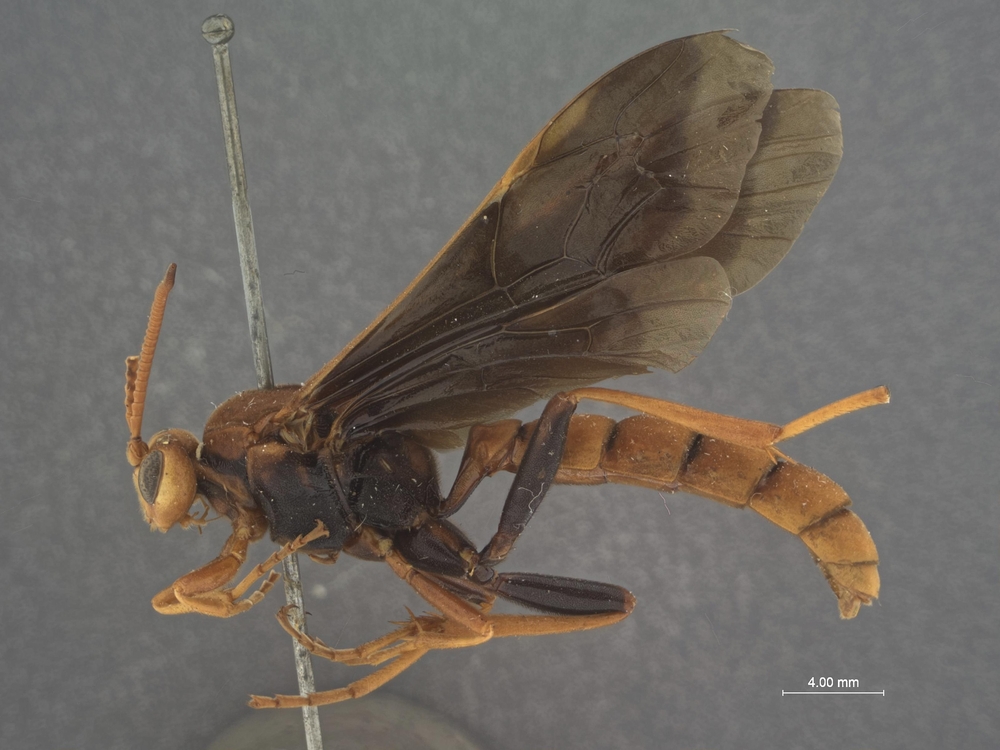
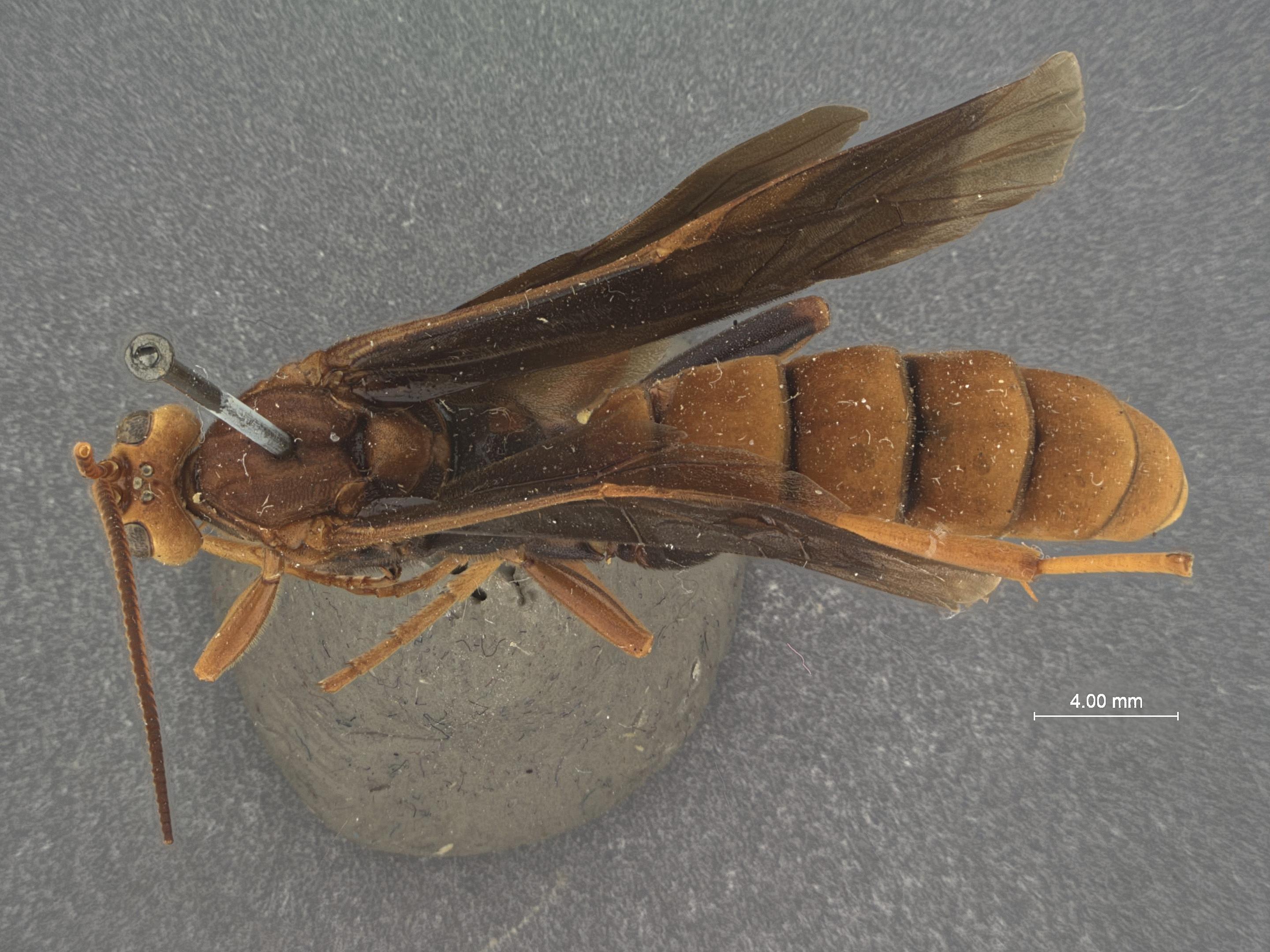
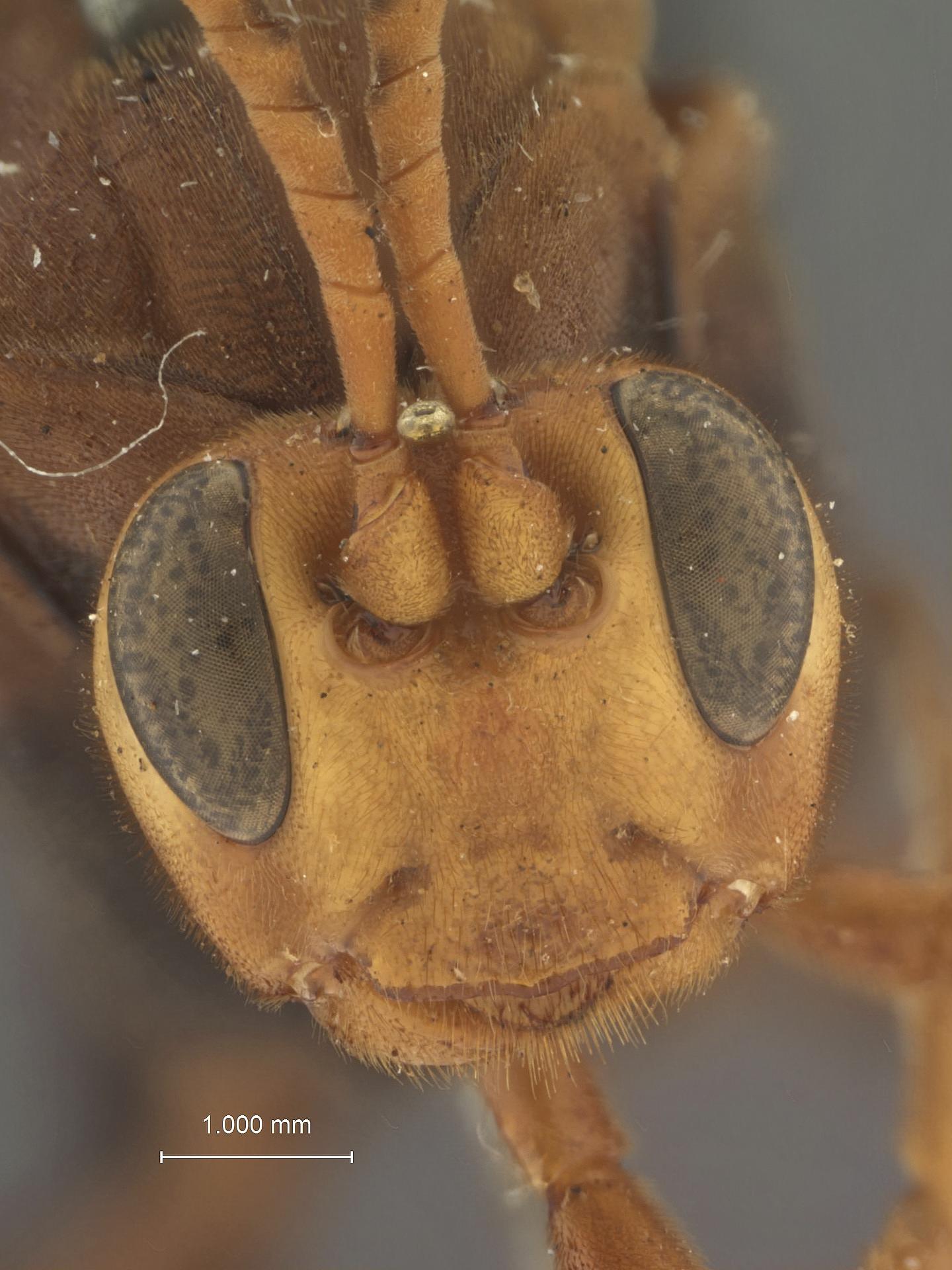
Fig. 1.Conocalama galbinata, male. Holotype, USNM (USNMENT01583830), Dripping Springs, Organ Mountains, New Mexico. Photographs by Bekah Rogers, Smithsonian Institution, CC0.
IoNA Most Wanted
This is the first blog post covering an almost inexhaustible topic: very poorly known ichneumonid species. Due to insufficient collecting and a lack of taxonomic work, there are hundreds of ichneumonid species that are known only from one or a few specimens, known only from a single sex, or were last collected many decades ago. The result is that we have very little information about these species, which limits our understanding of their distribution, morphological diversity, and biology, and has knock-on consequences for our understanding of faunistics more generally. In many cases, a central question is whether or not one of these poorly known species is truly endemic to a particular area or if it is more widely distributed but rarely collected. There is also the possibility, though harder to verify, that some of these species (particularly the ones not recorded in many years) are actually extinct.
My goal with this Most Wanted series is to bring attention to these species, in part to spur interest in the species themselves but also to highlight the major gaps in our knowledge of ichneumonid biodiversity. I hope it will inspire you, whether student, hobbyist, citizen scientist, or avocational or professional entomologist, to get out into the field and try to rediscover one of these most wanted species. At worst, you will enjoy experiencing the outdoors in some of the most beautiful and remote parts of the US, and at best you will experience the rush of excitement at being the second or so person to have seen a Most Wanted species. If you have access to an insect collection, perhaps there are some gems in the unidentified ichneumonid drawers representing species on the IoNA Most Wanted list.
In the event you do collect or find a specimen of one of these species, I would be more than happy to collaborate on a manuscript documenting its rediscovery.
Our first addition to the IoNA Most Wanted list is Conocalama galbinata.
Conocalama galbinata from the Organ Mountains, New Mexico
In 1939, H. Pearson Hopper revised the “Trogini” of the United States and Canada after being encouraged to undertake the project by Robert Asa Cushman (taxonomist at the United States National Museum, now the Smithsonian National Museum of Natural History in Washington, DC). On pages 328-329, Hopper describes Conocalama galbinata based on a single male type that was collected from Dripping Spring, Organ Mountains, New Mexico by T.D.A. Cockerell “on Kermes inf. on oak branches.” Unfortunately, neither month nor year of collection is given. As a result, we don’t know exactly how long it’s been since this species was last recorded, but it has been at least 87 years even if the specimen was collected in 1939, which is unlikely. Worse, we do not even know the time of year it was collected, which would help any attempts at finding additional specimens.
How to recognize C. galbinata
As with most species in the Callojoppa genus-group, C. galbinata is quite large and charismatic and its striking orangish-reddish color with darkly infuscated wings is typical of related species and genera in the arid Southwest. This species is also notable in having more blocky metasomal tergites (similar to Trogus) compared with other Conocalama species. It should be almost trivial to identify any new specimens from the type locality. It may be more difficult to confirm the identification of purported specimens from elsewhere in New Mexico or from even further afield in Arizona or Texas. As with all species, the more specimens we have of C. galbinata, particularly from more localities, the better we will understand its variation, make accurate identifications, and delimit it from similar species.
Collecting additional specimens
The most obvious place to try and rediscover C. galbinata is the type locality in the Organ Mountains. This is a small and rather isolated group of mountains sitting at the southern edge of a chain forming the eastern edge of the Rio Grande’s rift valley. Biogeographically, the Organ Mountains are a sky island that rises out of the Chihuahuan Desert. The desert scrub and grassland at the base of the mountains yield to oaks, junipers, pines, and firs at higher elevantions.
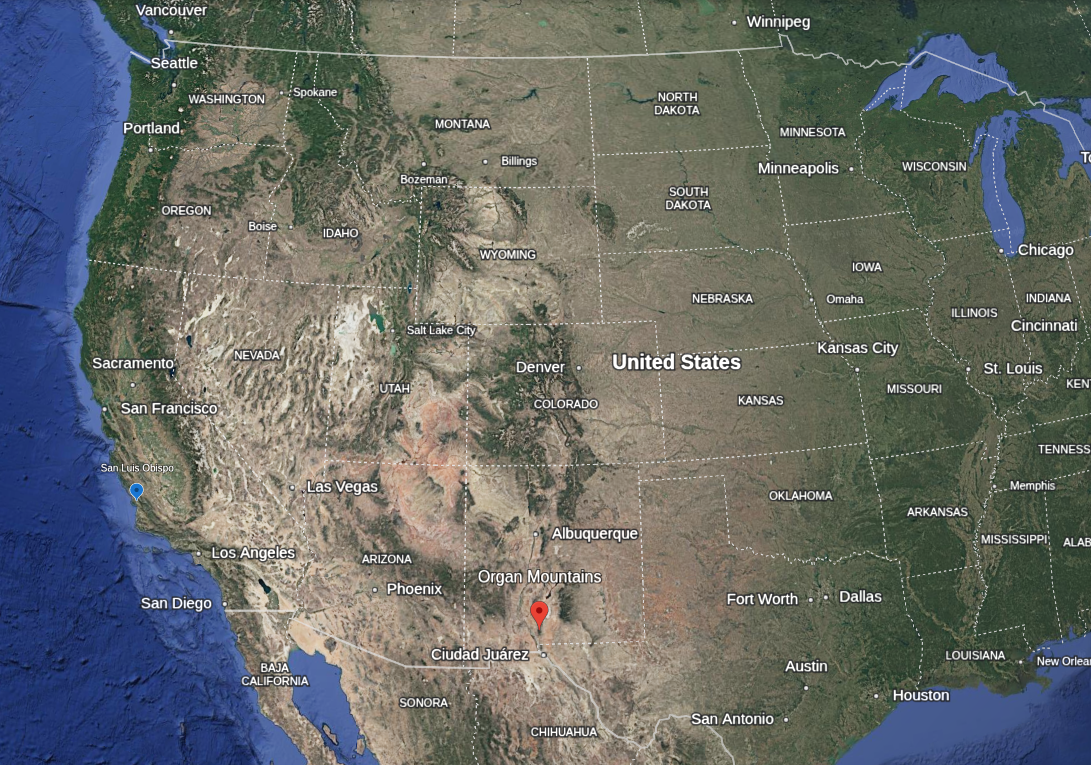
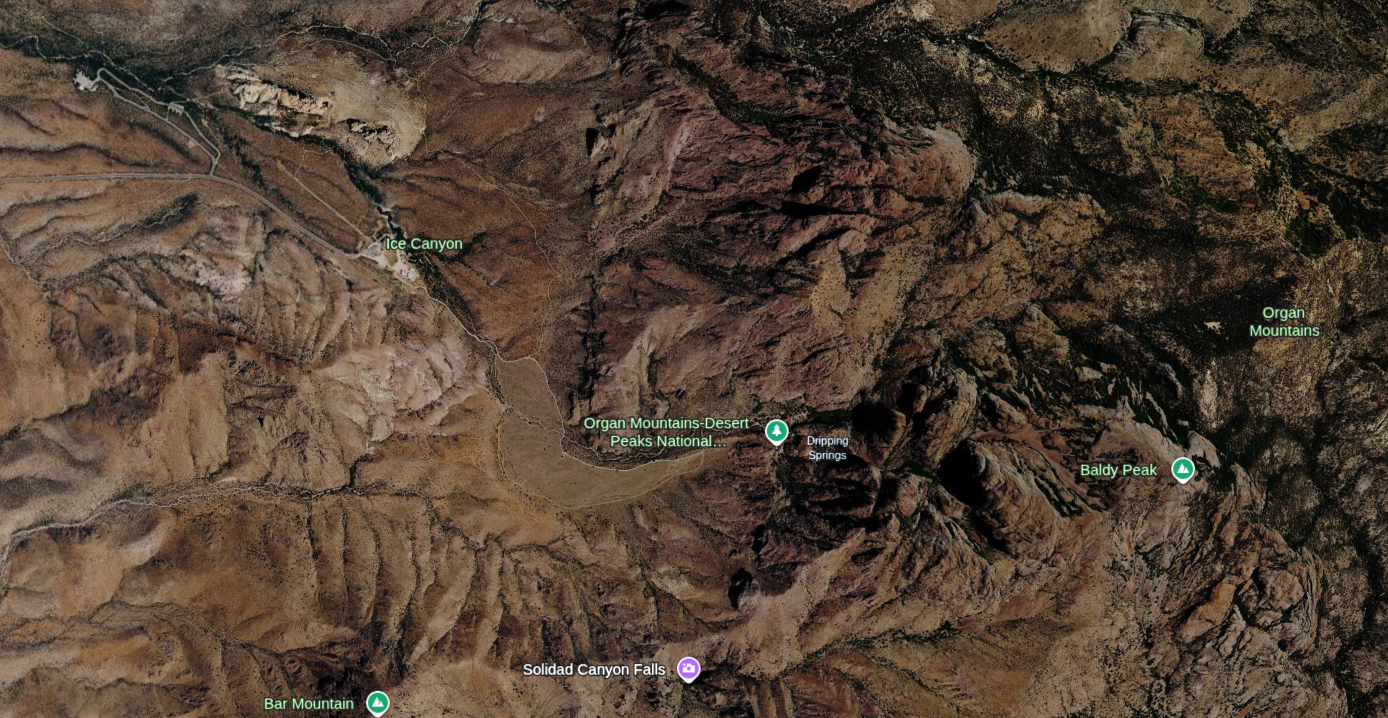

The closest town is Las Cruces, NM, about 10 miles to the west, making the Organ Mountains very accessible. Even more promising is that the specific collecting locality of “Dripping Springs” is easily accessible from the entrance to the Organ Mountains Desert Peaks National Monument. Luckily, the OMDPNM is administered by the Bureau of Land Management and so there shouldn’t be any restrictions on collecting insects (recreational collecting allowed on BLM and National Forest land).
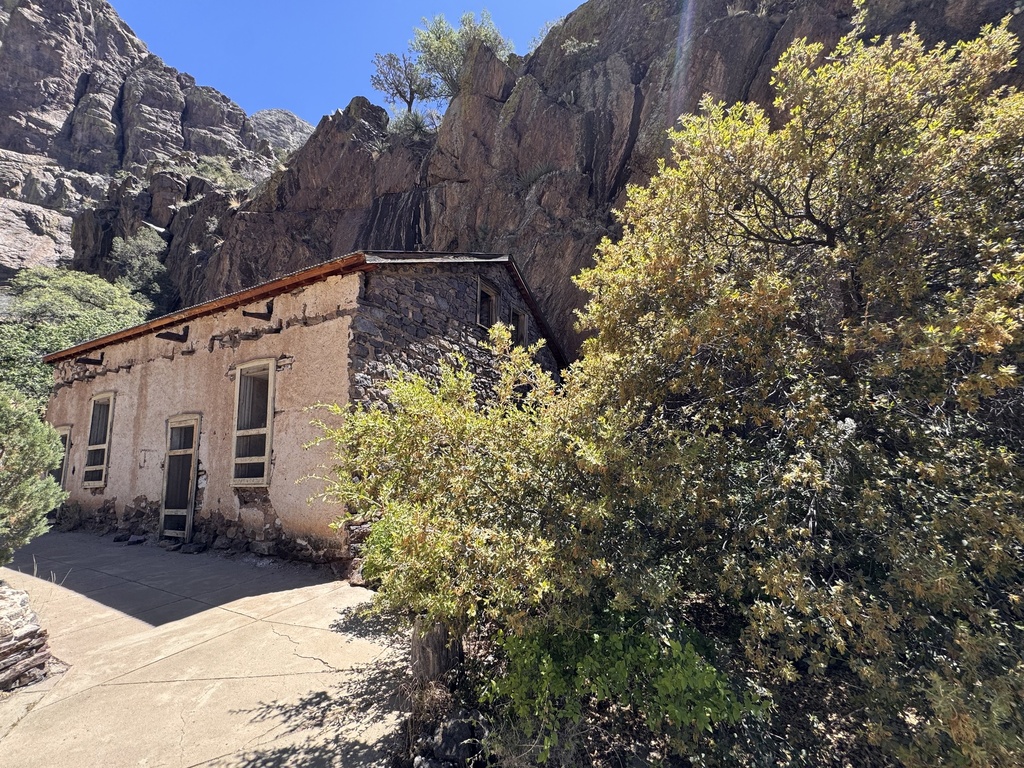
The most promising places to collect C. galbinata are well-vegetated areas in sheltered canyons. The single best area for collecting ichneumonids in dry areas generally is an open to partially shaded wash, particularly a larger wash with a mix of trees, shrubs, and herbaceous plants. It is difficult to say what time of day or season would be best. I typically collect more ichneumonids in the morning to early afternoon with activity usually dying down near the hottest part of the afternoon. Several Malaise traps placed around Dripping Springs or other canyons in the Organ Mountains would provide the best chance to collect one or more individuals. The species is probably naturally rare, though, judging by the scarcity of related species and the fact that it hasn’t been collected or observed in nearly a century. With a bit of luck, day collecting at the Organ Mountains might also work if done frequently. It would probably be hard to miss one of these rather large wasps flying around. Searching around oaks, where the male type was collected, might also improve the odds.
While the best place to look for C. galbinata is the Organ Mountains, it is entirely possible that the species occurs in other mountain ranges with similar habitat in the southwestern USA or Mexico. In fact, I have a specimen currently labeled as “Conocalama AZ1” collected in 2022 from French Joe Canyon in the Whetstone Mountains of southeastern Arizona that may belong to C. galbinata. The size and overall morphology agree well with C. galbinata, and the color is similar but overall darker except for the head. Interestingly, despite having many specimens in my collection from tens of Malaise trap and vane flight intercept trap (VFIT) collecting events, only the single male of “AZ1” was found. Without examining the type and potentially having more material to evaluate the morphological variability, preferably from other mountain ranges, it is difficult to confidently determine if “Conocalama AZ1” is C. galbinata or represents a new species.
Significance
The rediscovery of C. galbinata would be useful in several ways. New specimens from the type locality would prove that this species hasn’t been driven to extinction. Additional specimens would be useful in expanding our knowledge of the species range and morphological diversity, particularly if a female were collected. In general, sexual dimorphism is low in the Callojoppa genus-group, but there may be some minor differences in color. Finally, for anyone interested in rearing Lepidoptera, the host of C. galbinata is almost certainly a sphingid, so rearing hawkmoths from the Organ Mountains could be a useful way to collect specimens and also provide extremely valuable host data.