Most Wanted·No. 3
Vulgichneumon heleiobatos (Porter, 1964)
Small black Vulgichneumon from a swampy seep in Metuchen, New Jersey. Last seen in 1964.
| Name | Vulgichneumon heleiobatos (Porter, 1964) |
|---|---|
| Original name | Melanichneumon heleiobatos Porter, 1964 |
| Tribe | Ichneumonini |
| Type | Holotype, female |
| Type locality | Metuchen, Middlesex Co., New Jersey, U.S.A. |
| Type held at | Museum of Comparative Zoology |
| Known from | U.S.A. (New Jersey) |
| Hosts | Unknown |
| Specimens known | six (holotype female, allotype male, four male paratypes) |
| Last recorded | 3 July 1964, Metuchen, New Jersey |
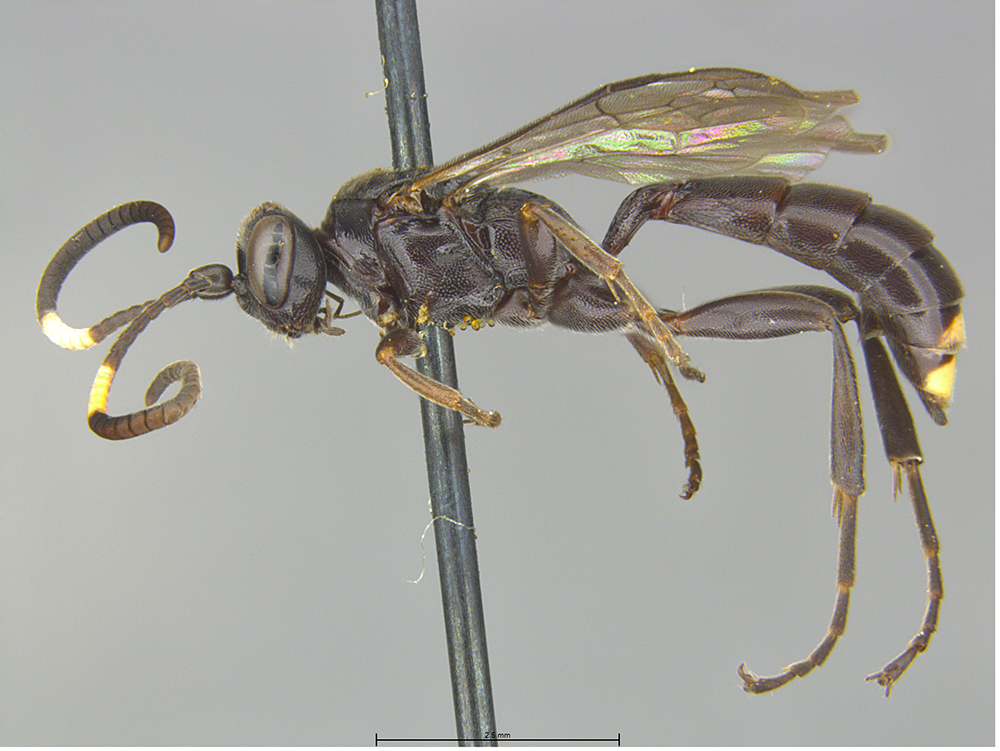
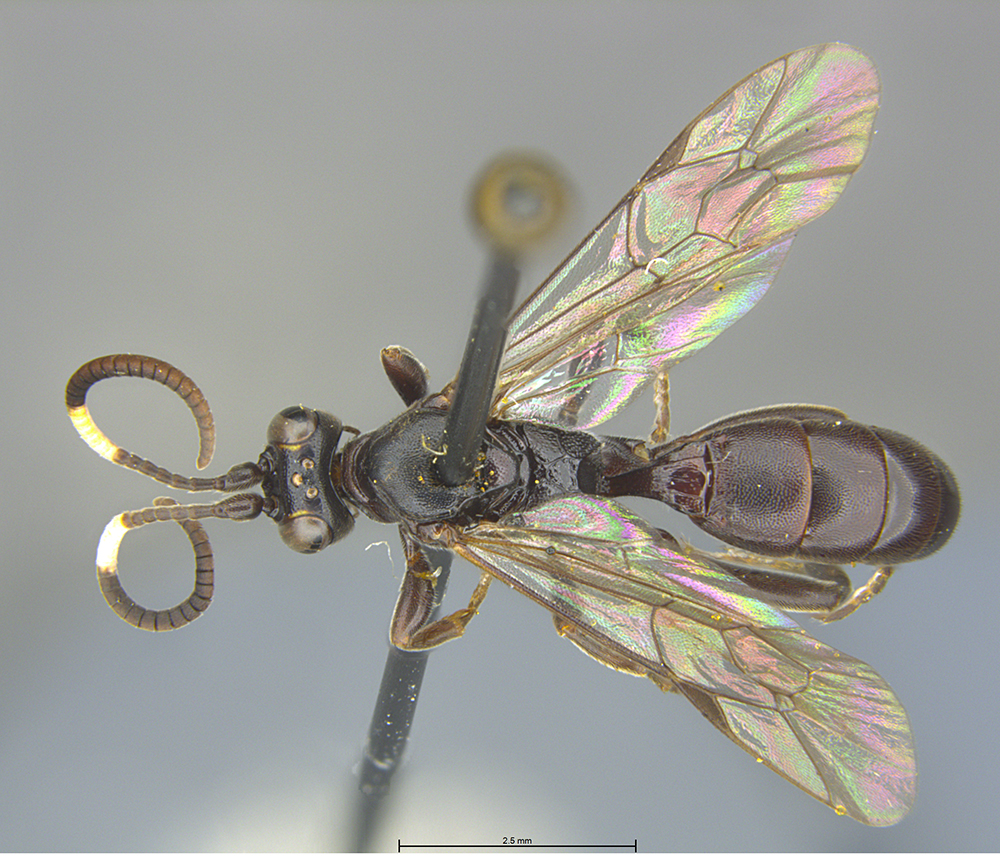
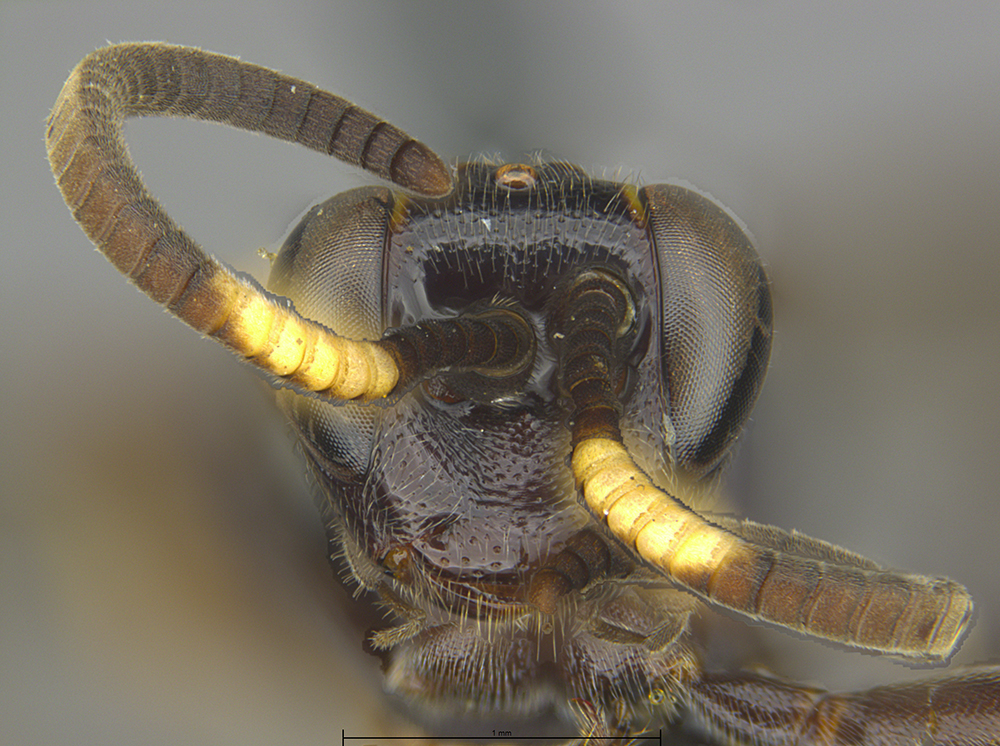
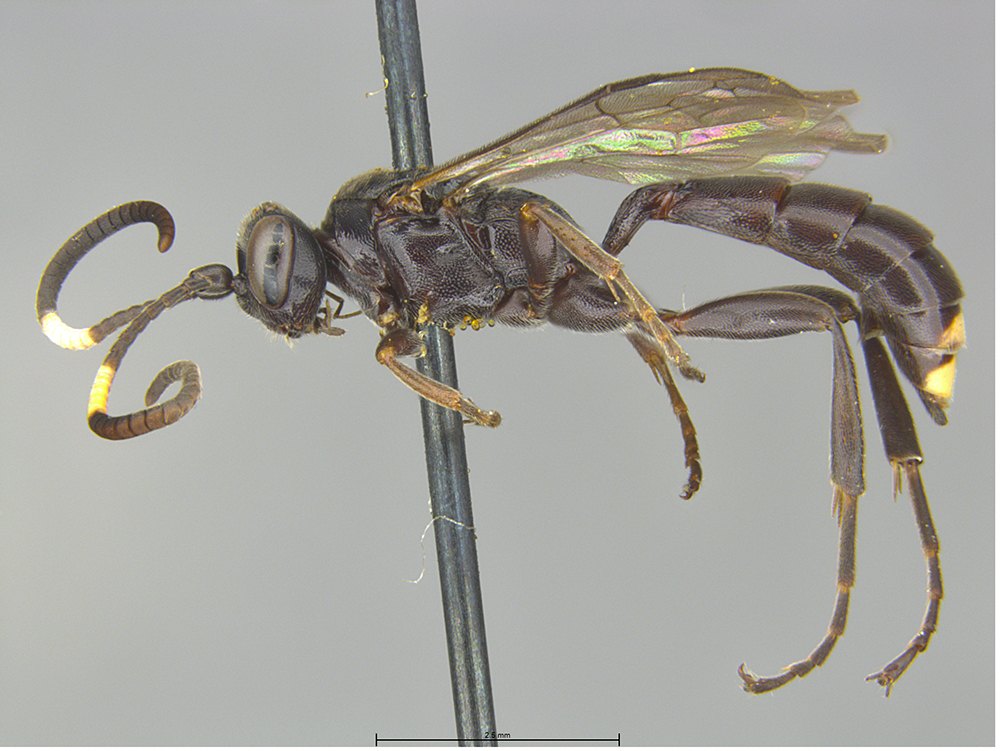
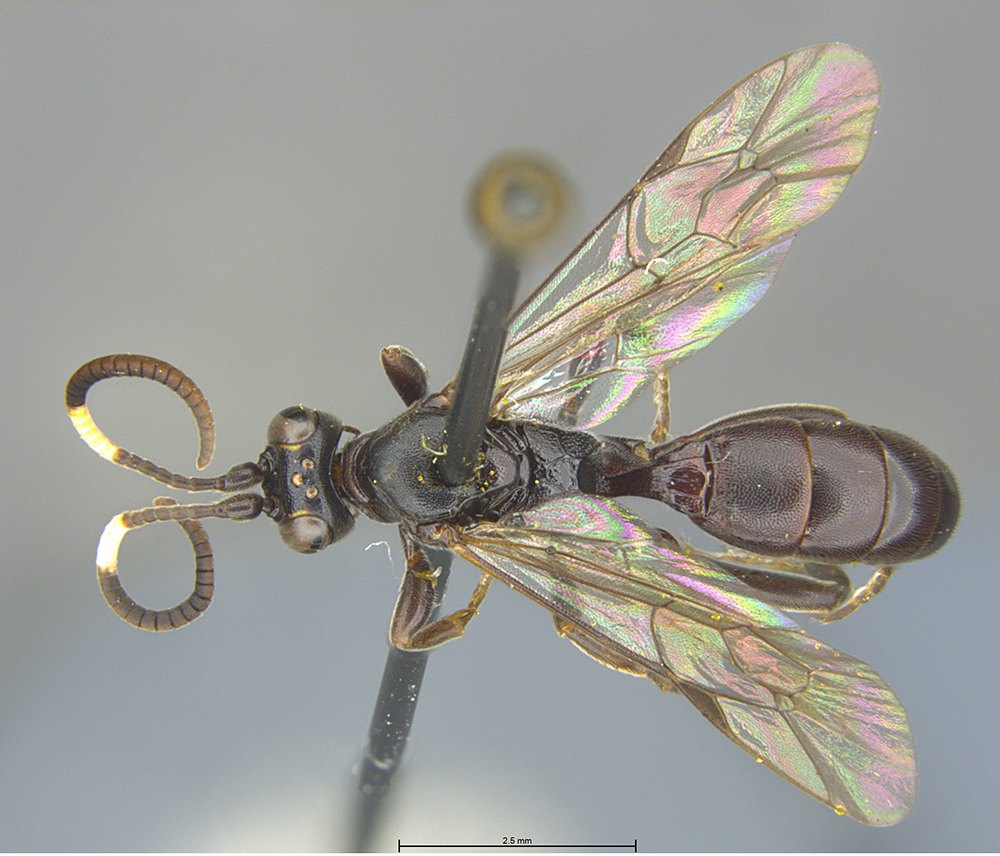
Fig. 1.Vulgichneumon heleiobatos, female. Holotype, MCZ (MCZ:Ent:31072), Metuchen, New Jersey. Photographs by Whit Farnum, Museum of Comparative Zoology, Harvard University, CC BY-NC-SA 4.0.
Let’s continue moving further east, all the way to New Jersey of all places. For Ichneumoninae, the further east and north you go, the more well known the fauna is. That is mostly due to the work of the leading ichneumonine expert of the 20th century: Gerd Heinrich. His most comprehensive work was the seven-part Synopsis of Nearctic Ichneumoninae Stenopneusticae with particular reference to the northeastern region, published from 1960 to 1962. Despite being the bible for any student of Nearctic Ichneumoninae, Heinrich himself was open about its limitations noting that “The keys in this paper should render possible the identification of 50 to 70 percent of the forms occurring in the area treated”. That point was almost immediately proven right when Charles Porter discovered Vulgichneumon heleiobatos from New Jersey.
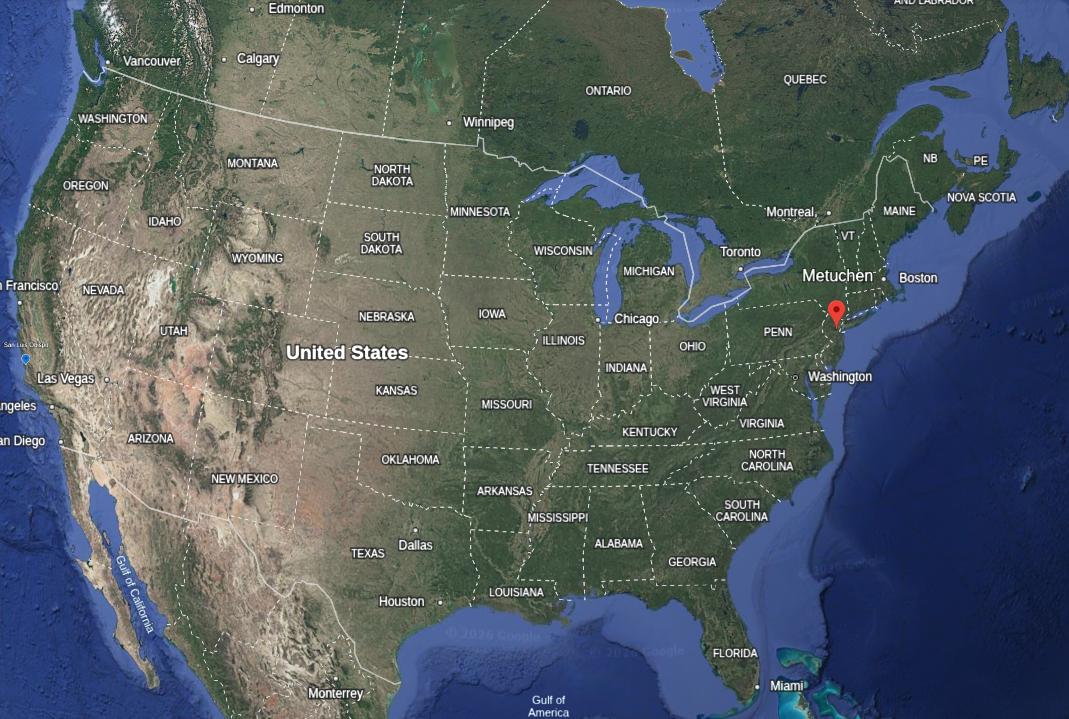
Porter (1964) is extremely brief but very informative. In four pages, he discusses the area the species was collected, provides a detailed description of both sexes, and compares them to the most similar species. He collected one female (the holotype), one male (the allotype) and four more males (paratypes) from Metuchen, New Jersey, about 25 km southwest of Newark, from June 28th - July 3rd 1964. Specifically, the wasps were collected in “a swampy area along the Lehigh Valley Railroad tracks just north of the bridge which carries the Reading Railroad across the Lehigh Valley.” As far as I can tell, this corresponds to about 40.5505 -74.3802 which intriguingly is at the edge of the Peter J. Barnes III Wildlife Preserve formerly the Dismal Swamp Preserve. Looking at Google Earth, it’s clear that the small preserve is island of natural habitat in an otherwise heavily urban/ suburban environment.
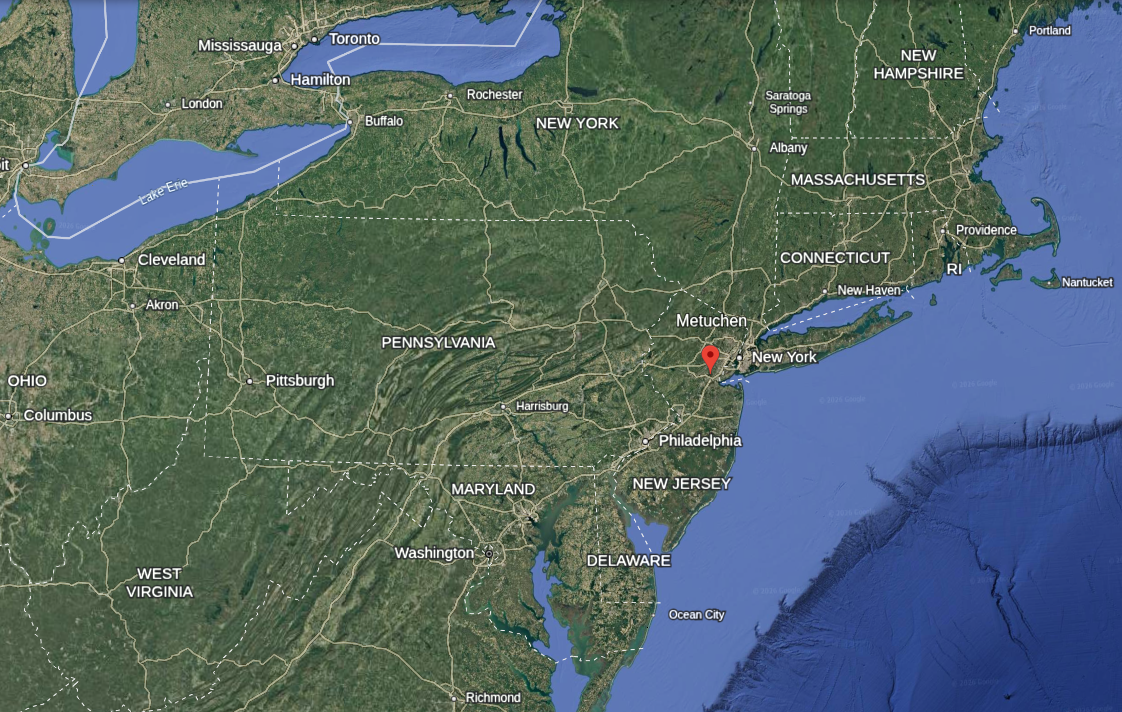
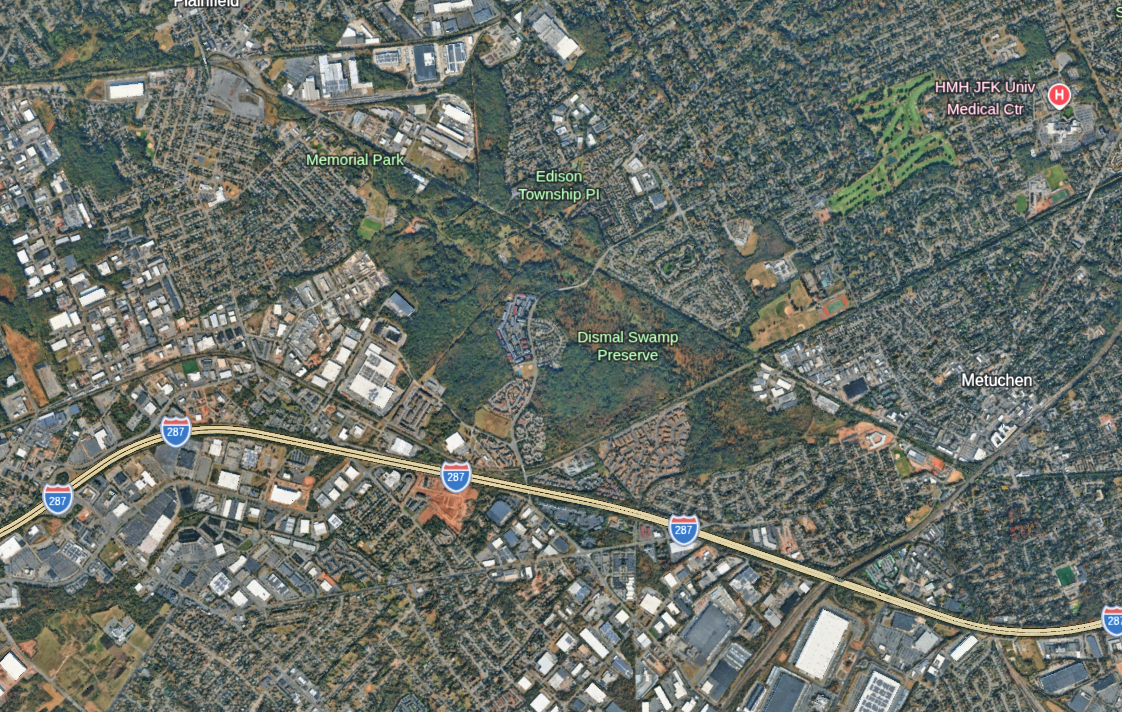
Since those six specimens were collected 62 years ago, the species hasn’t been seen since, or at least officially recorded in a publication. The good news is that Porter’s collecting notes provide a very solid baseline for getting additional specimens. As always, the best place to try and collect more specimens is the type locality at the Peter J. Barnes III Wildlife Preserve (not clear from the website if insect collecting is allowed without a permit).
Unlike other poorly known ichs many of which are from more remote areas, the fact that the type locality of V. heleiobatos is right in the middle of a heavily populated area is very promising. Judging from Porter being able to collect the species for a few days in a row, it probably isn’t too rare either. A bit of hand collecting with a net on the right day in late June or early July may be all that is needed. The exact spot is along a very small stream draining a pond, shaded by Salix discolor (pussy willow), with a fairly thick ground cover of grasses and clumps of Impatiens.
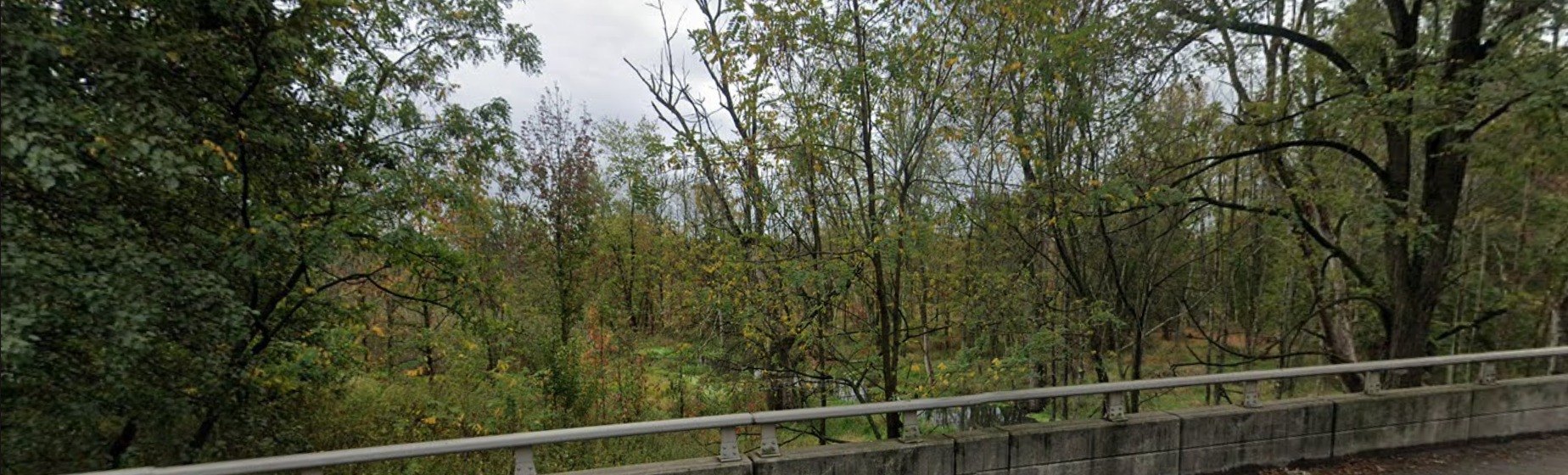
Even if the exact spot is gone, the habitat Porter described is not unusual. Small, shaded streams and seeps with willow, grasses and jewelweed are widespread in central New Jersey, including in county and municipal parks. In terms of the WWF ecoregions (Olson et al. 2001), Metuchen is in the Northeastern coastal forests, about 19 km north of the edge of the Atlantic coastal pine barrens.
Late June and early July is the obvious time to look, given that all six specimens were taken in the space of a week. A Malaise trap set across a small stream under willows would probably be the best approach, and sweeping the vegetation would also work if done regularly through the season.
Since Metuchen is just a few miles from Newark, NJ and New York City, New York, this is a very easy opportunity for a ton of people. The type locality is also only 5km from Rutgers University so it’s very accessible to students from there.
As far as hunting for the V. heleiobatos in drawers, the Rutgers University Insect collection is an obvious first place to look. But don’t only look through the unsorted Ichneumonidae and Ichneumoninae, it’s very likely that someone might have misidentified the specimen as V. brevicinctor so those specimens should be examined carefully too.
Recognizing Vulgichneumon heleiobatos
This species is a small black ichneumonine, the female only about 8.5 mm long, with a large white mark on the metasomal apex (tergites 6 and 7). The female also has a short white band on the antenna and a black scutellum. The male looks quite different, with a white face and no white band on the antenna. It is similar to the common species, V. brevicinctor, but there are some clear differences. See the modified key to the females of Vulgichneumon of eastern North America for more details. Porter’s full description is also on the species page.
Significance
The most immediate question is whether V. heleiobatos still exists at its type locality, which has been surrounded by suburban development for decades. A second question is whether the species is genuinely restricted to wet habitats, as Porter thought, or whether that is simply where one collector happened to find it in one week of 1964.
Finally, the host is also unknown so rearing would help us much better understand its natural history. Its relative V. brevicinctor has been reared from a wide range of moths, including fall webworm (Hyphantria cunea), geometrids and noctuids, and like other Ichneumonini it should emerge from the host pupa. Rearing moth pupae collected in wet willow thickets around Metuchen in early summer might therefore produce it, though that would be a long shot without a better idea of the host.