NAME A NEW PARASITOID WASP SPECIES
Despite the common idea that new and spectacular species are only
discovered in exotic, usually tropical habitats, many can be found
within the United States. Every year, new ichneumonid wasp species
are discovered and added to the tally of hundreds of others
that await a formal scientific name and description. The chief reason
for such a large backlog is a lack of funding support to complete this
vital research.
Traditionally, the taxonomist or researcher who discovers a species,
and publishes the finding, coins the scientific name for the new species.
Such names
are often descriptive of its appearance or geography but may also honor
an individual or institution. We at IoNA invite you to coin a name for
one of the species shown below which are ready to be formally described
in a scientific journal. Many options are possible from using your own
last name to honoring a loved one to creating an entirely new word.
Regardless, your intent will be expressed in the names' etymology so its origin
is clear.
You will gain the right to name a species by financially supporting ichneumonid
research. You donation will fund the collecting, preservation, and
research efforts that are needed to discover new ichneumonid species
Examples of what the funding will be used for include
preservation supplies, collecting equipment, collecting expeditions,
museum visits, publication costs,
website hosting costs, and DNA sequencing.
The minimum support to name a species starts at $3,000 and increases
with a species abundnace, size, and showiness.
In addition to the
right to name the species, you will also recieve a framed print
of the species, a copy of the publication in which it was described,
and a presentation by the author of the publication
of up to 30 minutes in a venue of your choice
explaining and celebrating the discovery.
If you are interested in this unique opportunity, please contact
Brandon Claridge, PhD at [email protected] to discuss further
details!
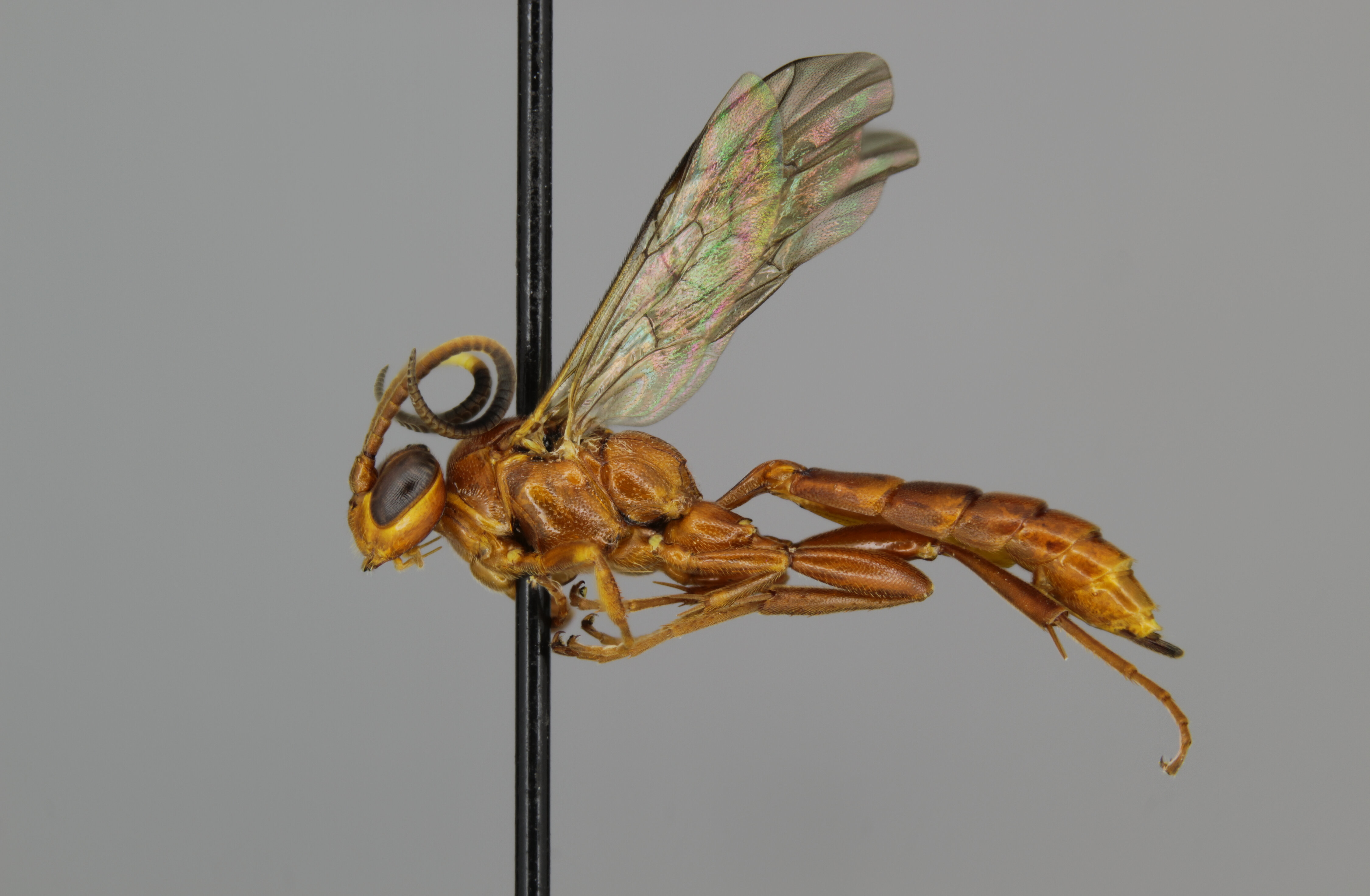
$3,000
Melanichneumon UT3 is a gracile species only known from
one female and one male. It has only been collected in a single canyon
in Kane County, Utah.
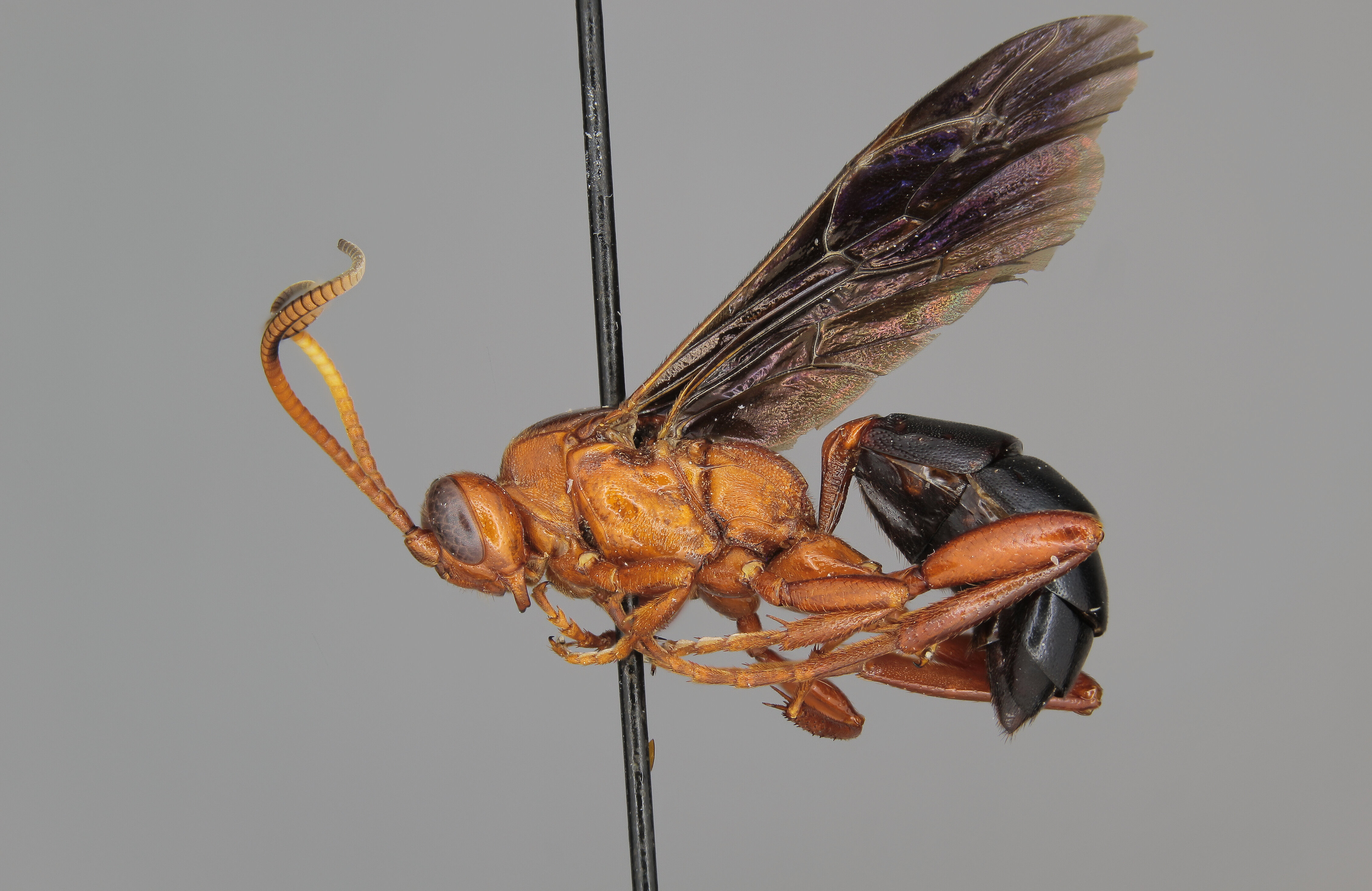
$4,000
With its black wings and contrasting red and black color pattern,
Ichneumon UT9 is a truly striking species from the mountains in Utah.
It is only known from two recently collected females.
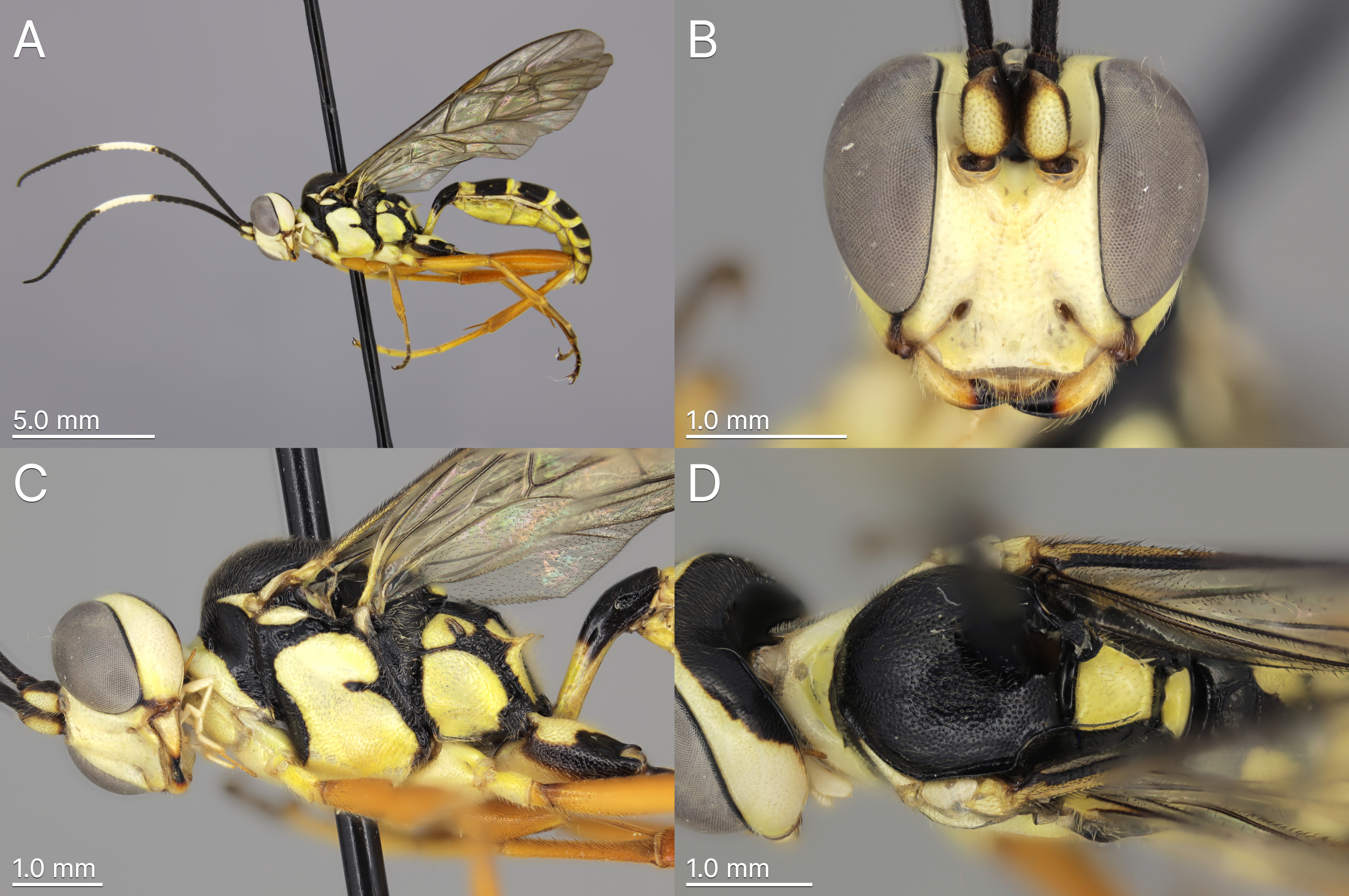
$3,000
Plagiotrypes AZ1 is a large, colorful species
known only from a single male specimen
from the remote Patagonia Mountains in southern Arizona. A related species,
Plagiotrypes concinnus, is widespread in eastern North America, but
the discovery of P. AZ1 confirms that Plagiotrypes
occurs in the arid southwestern US.
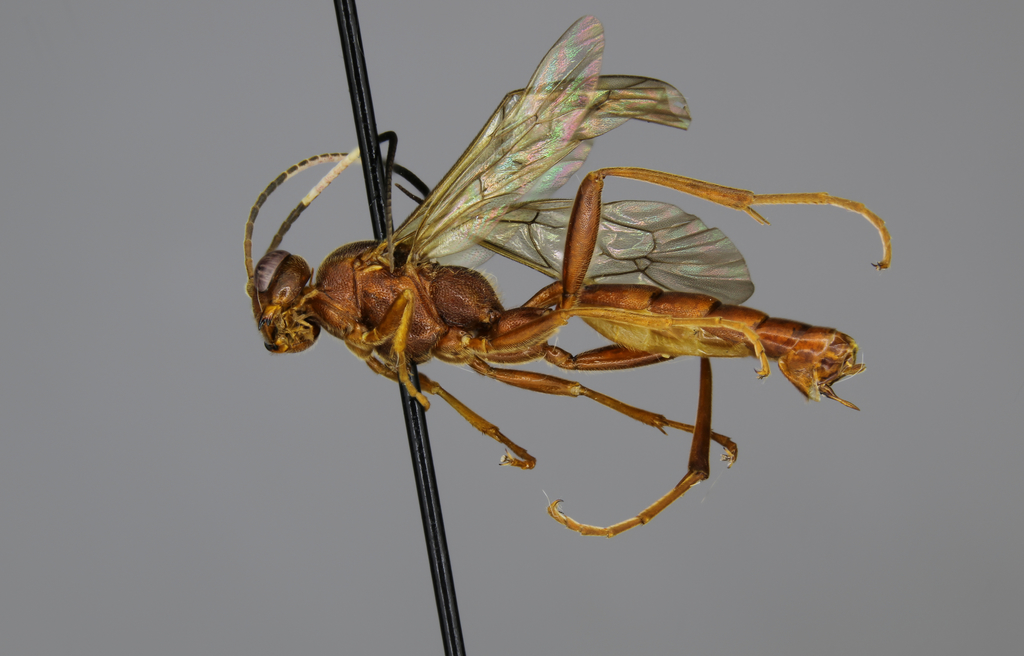
$4,000
Despite being undescribed, Tricholabus AZ1 is a common
species that has been collected throughout Arizona. It is the first
Tricholabus species known from the southwestern US.
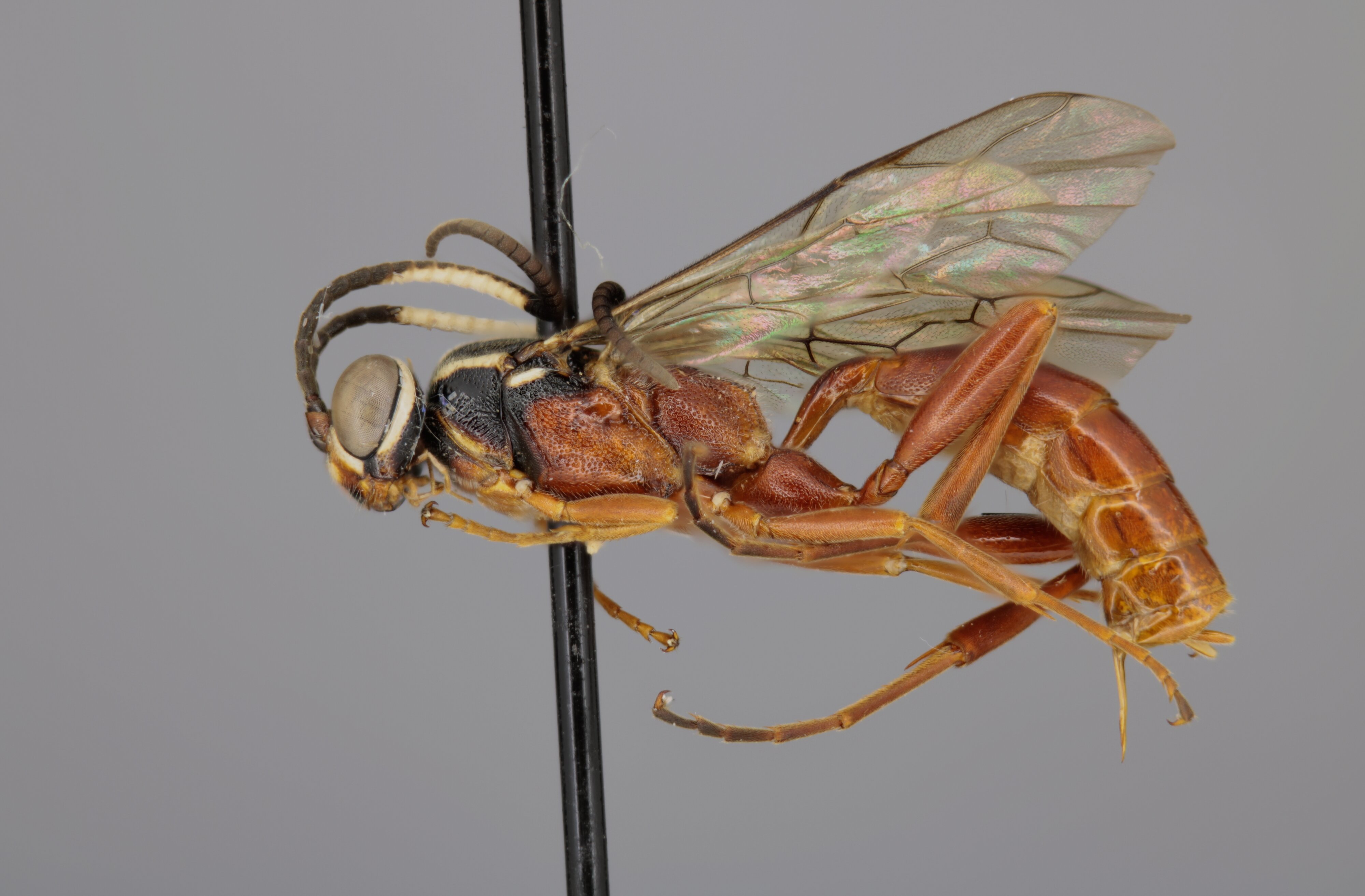
$4,500
The genus Carinodes is the most diverse genus in Central and
South America. In the US, only Carinodes havanensis is known to
occur in Florida. Carinodes AZ1 is found throughout the Sky
Islands region of Arizona.